Author: seo@searchrescue.com.au

Why Press Brake Machines Are Essential for Precision Metalwork

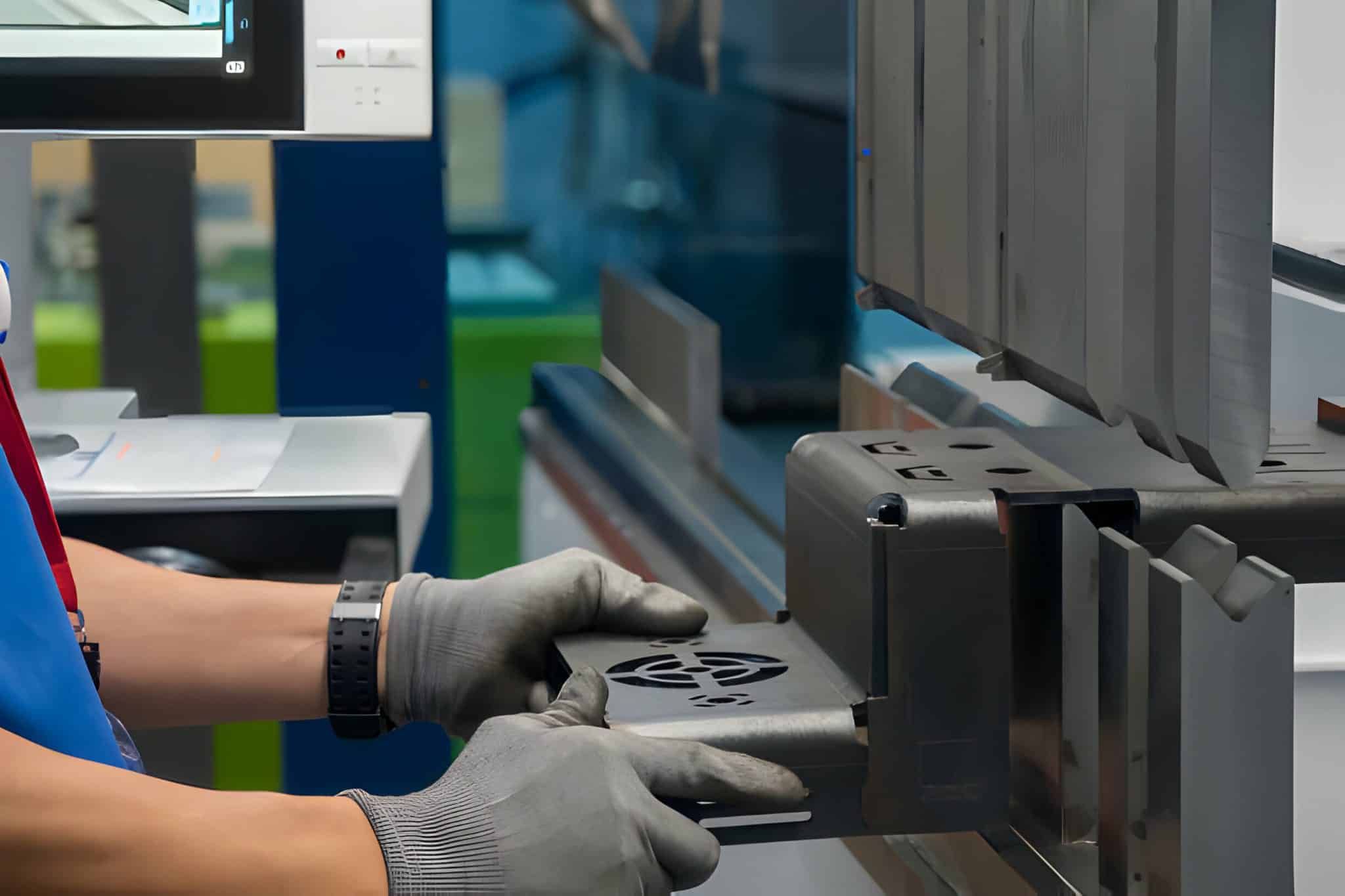
Precision is at the heart of modern metal fabrication. Whether producing electrical enclosures, machinery components, structural parts or custom sheet metal products, manufacturers need equipment that can create accurate bends repeatedly. A Press brake machine provides the controlled force and precision required to transform flat metal sheets into accurately formed components while maintaining consistency across production runs.

For Australian fabrication businesses, investing in reliable bending equipment can improve productivity, reduce material waste and help achieve tighter production tolerances.

What Makes Press Brake Machines Important?

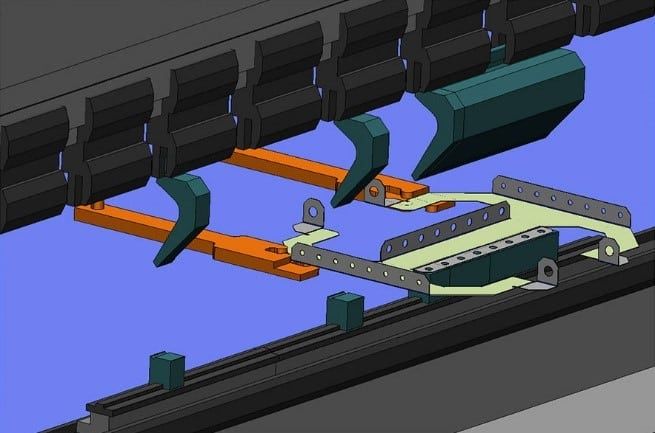
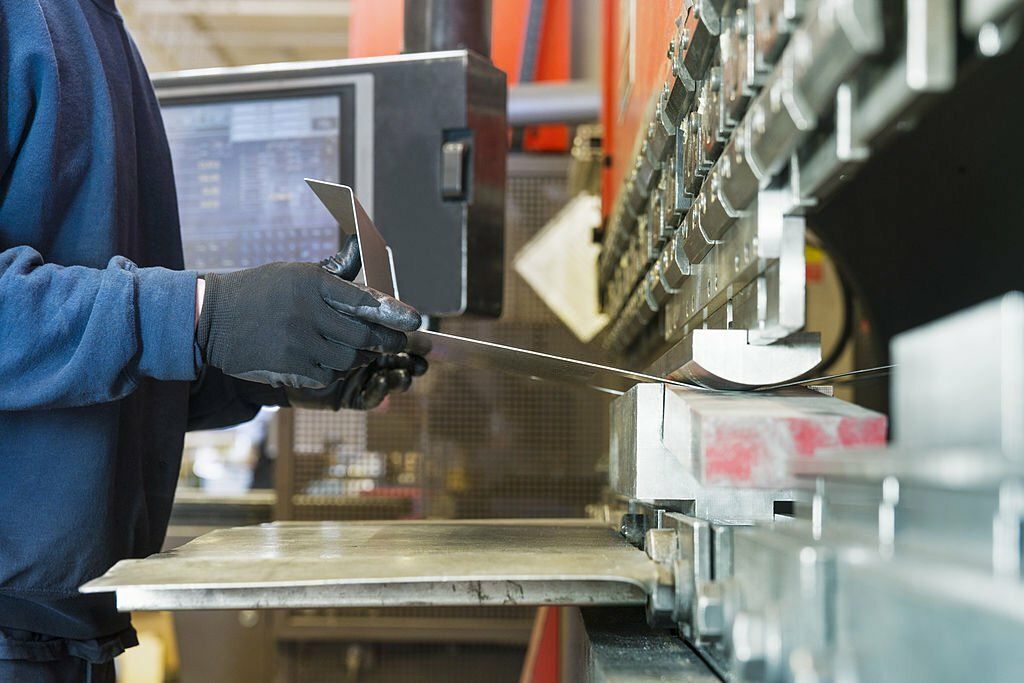
Metal bending may appear straightforward, but achieving consistent angles and dimensions requires precise control over force, positioning and tooling. A press brake applies controlled pressure to sheet or plate metal between a punch and die, creating the required bend.

Modern machines can be configured for different materials, thicknesses, bend lengths and production requirements. This versatility makes them suitable for everything from one-off fabrication jobs to high-volume manufacturing.

Precision bending is particularly important when components need to fit together during assembly. Even small variations in bend angle or flange dimensions can result in gaps, misalignment or costly rework.

Improved Bending Accuracy and Consistency

One of the biggest advantages of modern press brake technology is repeatability. CNC controls, accurate back gauge systems and advanced positioning technology allow operators to reproduce programmed bends with a high level of consistency.

This is valuable when manufacturing multiple components with identical dimensions. Instead of relying entirely on manual measurements for every bend, programmed settings can help streamline the production process.

Consistent bending also contributes to better quality control. When parts are produced to the same specifications, manufacturers can reduce variations between batches and spend less time correcting dimensional issues.

Greater Efficiency in Sheet Metal Fabrication

Production efficiency is another reason press brakes are essential in professional fabrication workshops. A well-configured machine can complete multiple bending operations quickly while reducing manual handling.

CNC systems can store bending programs and simplify repeat jobs, helping operators move between production runs more efficiently. Automated back gauges can also position material accurately, reducing the time required for manual measurements and adjustments.

For workshops handling regular production work, these improvements can translate into shorter setup times and greater output without compromising the quality of finished components.

Suitable for Different Materials and Applications

A major strength of press brake technology is its flexibility. Depending on machine capacity and tooling, fabrication businesses can work with materials such as mild steel, stainless steel and aluminium.

Press brakes are commonly used to manufacture:

  • Electrical cabinets and enclosures
  • Machinery panels and guards
  • Brackets and mounting components
  • HVAC and ductwork components
  • Automotive and transport parts
  • Construction components
  • Custom sheet metal assemblies
  • Industrial equipment components

The correct combination of machine capacity, tooling and bending method allows manufacturers to handle a broad range of fabrication requirements.

Choosing the Right Tonnage and Bending Length

Machine selection should always begin with the type of work a business needs to produce. Tonnage determines the forming force available, while bending length determines the maximum practical length of the workpiece that can be processed.

Material type and thickness are also important considerations. A machine selected only according to price may not provide sufficient capacity for future production requirements.

Before purchasing, fabricators should consider:

  • Maximum material thickness
  • Material types and grades
  • Typical bend lengths
  • Maximum component dimensions
  • Required bend angles
  • Production volume
  • Tooling requirements
  • Desired automation level

These factors help businesses choose equipment that is suitable for current jobs while providing room for future growth.

The Role of Press Brake Tooling

The machine itself is only one part of an accurate bending operation. Punches, dies and other tooling directly influence the final shape and quality of a component.

Different applications may require different tooling configurations. Selecting the correct die opening and punch profile can help achieve the desired bend radius while reducing the risk of material damage or deformation.

Proper tooling selection is particularly important when working with different material thicknesses or complex component geometries. Keeping suitable tooling available can also reduce setup times when switching between production jobs.

CNC Technology for Modern Metal Fabrication

CNC press brake technology has changed the way many fabrication businesses approach precision bending. Operators can program sequences, positioning information and bend parameters, allowing complex components to be produced with greater repeatability.

A CNC system can be especially useful for businesses handling multiple bends or frequent repeat orders. Once a suitable programme has been established, the same settings can be used to reproduce components more consistently.

Features such as multi-axis back gauges, programmable controls and automatic compensation can further support accuracy and productivity, depending on the machine configuration.

Safety and Operator Considerations

Precision equipment must also be operated safely. Press brakes generate significant forming forces, making appropriate guarding, operator training and safe working procedures essential.

Operators should understand the machine’s controls, tooling limitations, material handling requirements and safety systems before beginning production. Regular inspection and maintenance can also help identify potential issues before they affect production.

A reliable machine combined with trained operators creates a safer and more productive working environment.

Why Buying the Right Machine Matters

For businesses searching for a Press brake for sale, the decision should involve more than comparing purchase prices. A machine’s capacity, accuracy, controls, tooling compatibility, service support and suitability for the intended workload can have a major impact on its long-term value.

A machine that matches the workshop’s production requirements can help reduce setup times, minimise waste and support consistent component quality. Conversely, equipment that is poorly matched to the application may create production bottlenecks or limit the types of work a business can accept.

Australian fabricators should therefore assess their actual production requirements before choosing equipment.

Why Choose Tooltech for Metalworking Equipment?

Selecting reliable machinery is an important investment for any fabrication business. Tooltech provides metalworking equipment solutions designed to support Australian workshops and manufacturing operations, helping businesses select machinery suited to their practical production requirements.

From improving bending capability to expanding fabrication capacity, choosing the right equipment can make a significant difference to productivity and finished-product quality. If you are considering new metalworking equipment or need guidance on the right solution for your workshop, contact Tooltech to discuss your requirements and explore the available options.

Sheet Metal Bender: Choosing the Right Tool for Accurate Metal Bending

Working with sheet metal demands precision, consistency, and the proper tools. Whether you’re producing custom parts, building components, or handling workshop tasks, having a dependable sheet metal bender can significantly improve your results. Tool Tech provides high-quality bending equipment tailored to meet the needs of Australian tradespeople, fabricators, and businesses, helping them deliver professional-grade work reliably.

Before purchasing a sheet metal bender, it’s important to understand how these machines operate and which model aligns best with your workshop’s requirements.

What Is a Sheet Metal Bender?

A sheet metal bender is a machine or tool used to create precise bends in sheet metal without damaging the material. By applying controlled pressure along a straight line, the machine produces accurate angles for a wide variety of fabrication tasks.

Sheet metal benders are commonly used when working with:

  • Mild steel
  • Aluminium
  • Stainless steel
  • Galvanised steel
  • Copper and brass sheets

From HVAC ducting and roofing components to automotive panels and custom metal fabrication, a quality sheet metal bending machine improves efficiency while delivering consistent results.

What Tool Is Used to Bend Sheet Metal?

One of the most common questions people ask is, “What tool is used to bend sheet metal?”

The answer depends on the material thickness and the type of work being completed. Common tools include:

  • Manual sheet metal benders
  • Pan brake folders
  • Box and pan brakes
  • Hydraulic sheet metal benders
  • Press brakes
  • Finger brakes for complex bends

For workshops handling regular fabrication work, investing in a dedicated sheet metal bender provides greater accuracy, repeatability, and productivity than attempting bends with basic hand tools.

What Is the Easiest Way to Bend Sheet Metal?

A commonly asked question is, “What’s the simplest way to bend sheet metal?”

The most straightforward and secure approach involves using a dedicated sheet metal bending machine. Such equipment is engineered to create precise, clean bends while minimizing the chance of material damage.

Benefits include:

  • Consistent bend angles
  • Faster production
  • Improved workplace safety
  • Reduced material waste
  • Professional-quality finishes

Choosing the right machine also minimises operator fatigue, particularly when bending larger or thicker sheets.

How Much Does a Sheet Metal Bender Cost?

A frequently searched question is, “How much does a sheet metal bender cost?”

The price varies depending on several factors, including:

  • Machine capacity
  • Maximum bending width
  • Material thickness
  • Manual or hydraulic operation
  • Brand and build quality
  • Additional features

Smaller manual models are ideal for hobbyists and light workshop use, while industrial hydraulic machines are better suited to high-volume fabrication environments.

At Tool Tech, we help customers select equipment that suits both their workload and budget, ensuring long-term value rather than simply choosing the lowest-priced option.

Choosing the Right Sheet Metal Bending Machine

Not every project requires the same equipment. Before purchasing a sheet metal bender, consider the following:

Material Type

Different metals require varying amounts of bending force. Ensure the machine is rated for the materials you’ll be working with most often.

Material Thickness

Check the maximum sheet thickness the machine can safely bend without compromising performance.

Working Width

Choose a machine that accommodates the largest sheet sizes used in your workshop.

Frequency of Use

Occasional fabrication work may only require a manual bender, whereas busy workshops often benefit from hydraulic or heavy-duty models designed for continuous operation.

Why Quality Equipment Matters

Using a well-built sheet metal bender offers advantages beyond producing cleaner bends.

Quality equipment helps:

  • Improve fabrication accuracy
  • Reduce costly mistakes
  • Increase productivity
  • Deliver consistent results across multiple projects
  • Extend equipment lifespan through reliable construction

Investing in dependable machinery can ultimately save both time and money while improving the quality of your finished work.

Why Choose Tool Tech?

At Tool Tech, we recognize that no two workshops are the same. That’s why we offer a thoughtfully curated selection of sheet metal fabrication machinery tailored to the diverse needs of Australian manufacturers, engineers, fabricators, and trade specialists.

Our knowledgeable team works with you to identify the best sheet metal bender for your specific application, production volume, and workspace constraints. We prioritize dependable equipment engineered for accuracy, strength, and consistent performance over time.

Find the Right Sheet Metal Bender for Your Workshop

Whether you’re upgrading your existing equipment or purchasing your first bending machine, selecting the right solution can significantly improve efficiency and fabrication quality.

If you’re looking for a dependable sheet metal bender backed by expert advice and trusted service, Tool Tech is here to help. Browse our range of quality sheet metal bending equipment or speak with our knowledgeable team to find the ideal solution for your workshop and fabrication needs.

Press Brake Machine: What Australian Manufacturers Need to Know

In the rapidly evolving manufacturing sector, achieving high-quality metal parts demands precision, efficiency, and consistent performance. A key piece of equipment in modern sheet metal production is the press brake. Used across industries such as construction, automotive, aerospace, and general industrial manufacturing, press brakes are instrumental in accurately bending and forming metal components.

At Tool Tech Australia, we work closely with Australian manufacturers by supplying advanced tooling solutions, sheet metal machinery, and innovative press brake technology designed to improve productivity and reduce production costs.

What Is a Press Brake Machine?

A press brake is a dedicated machine tool designed to bend sheet metal into various shapes and angles. It operates by applying controlled pressure to the metal through a punch and die, enabling accurate and repeatable bends. These machines are vital in sectors that depend on precision metalworking.

Contemporary CNC press brakes feature sophisticated automation, programmable settings, and exceptional bending accuracy, ensuring uniform results throughout manufacturing batches. Current models are capable of performing not only basic folds but also intricate and demanding sheet metal forming tasks.

At Tool Tech Australia, we provide advanced sheet metal press brake solutions that help manufacturers improve efficiency, precision, and overall production quality.

Why Press Brake Machines Are Important in Manufacturing

Press brake machines are widely used because they allow manufacturers to create consistent and repeatable metal components with minimal material waste.

Some of the key benefits include:

  • Precise and accurate bending
  • Faster production times
  • Reduced manual labour
  • Improved repeatability
  • Greater flexibility for custom fabrication
  • Lower long-term production costs

Modern press brake technology also supports CNC programming, automatic tool changing, and advanced backgauging systems that significantly improve productivity for Australian fabrication businesses.

Types of Press Brake Machines

There are several types of press brake machines available depending on the manufacturing application and production requirements.

Hydraulic Press Brake

Hydraulic press brakes are among the most common machines used in Australia. They use hydraulic cylinders to apply force and are suitable for a wide range of sheet metal bending applications. These machines are known for their reliability, flexibility, and high tonnage capacity.

CNC Press Brake

CNC press brake machines enable automated bending through computer-guided accuracy. Operators can save and reuse bending programs, enhancing consistency and shortening setup periods. These systems contribute to lower chances of human error while increasing overall production efficiency.

Electric Press Brake

Electric press brakes are becoming increasingly popular due to their energy efficiency and reduced maintenance requirements. These machines use servo-electric systems instead of hydraulic components and are ideal for manufacturers seeking environmentally friendly production solutions.

How Much Do Press Brake Operators Make in Australia?

One of the common questions people ask is how much press brake operators earn in Australia.

Press brake operator salaries can vary depending on:

  • experience level
  • location
  • industry
  • machine complexity
  • overtime availability

In Australia, skilled press brake operators generally earn competitive wages due to the technical skills required to operate CNC machinery and produce accurate fabrication work.

Skilled operators capable of programming CNC press brakes, reading engineering drawings, and overseeing intricate fabrication tasks are increasingly sought after in the manufacturing and sheet metal sectors.

With the ongoing expansion of automation and advanced manufacturing technologies across Australia, qualified press brake operators continue to play a vital role in the industry workforce.

Press Brake Machine Price in Australia

Another frequently searched topic is press brake machine price.

The cost of a press brake machine in Australia can vary significantly depending on:

  • machine size
  • tonnage capacity
  • CNC features
  • automation level
  • tooling requirements
  • brand and manufacturer

Smaller entry-level machines may be suitable for workshops with lighter production requirements, while large industrial CNC press brakes designed for heavy-duty manufacturing can involve a much higher investment.

When evaluating press brake machine price, manufacturers should look beyond the initial investment and consider several important long-term factors. Machine reliability, tooling compatibility, long-term servicing requirements, and overall production efficiency all play a major role in determining the true value of the equipment. Businesses should also consider operator training and software integration capabilities, as these can significantly impact productivity, accuracy, and the ease of daily manufacturing operations. 

At Tool Tech Australia, we help businesses choose tooling and bending solutions that align with their operational requirements, production goals, and budget. Our focus is on delivering high-quality solutions that improve efficiency and long-term productivity for Australian manufacturers.

Common Challenges in Press Brake Operations

Although press brake machines provide excellent accuracy, manufacturers can still encounter certain bending challenges during production.

Some common issues include:

Springback

Metal may slightly return toward its original shape after bending, affecting bend accuracy.

Cracking

Improper tooling or excessive force may cause material cracking during bending.

Wrinkling

Incorrect tooling setups or inadequate support may lead to surface wrinkling.

Overbending or Underbending

Inaccurate calculations or machine setup issues can result in incorrect bend angles.

Using quality tooling, advanced CNC systems, and proper operator training can significantly reduce these issues.

Why Manufacturers Choose Tool Tech Australia

At Tool Tech, we understand that every fabrication business has unique production requirements. That’s why we provide innovative press brake tooling and sheet metal solutions designed to improve precision, productivity, and operational efficiency.

We support Australian manufacturers in boosting productivity and fabrication performance by offering advanced press brake technology and custom tooling solutions designed to meet specific production needs. Our systems help minimise setup times, increase consistency in output, and improve operator effectiveness, enabling businesses to refine their manufacturing operations without compromising precision or quality. In addition, we deliver continuous technical assistance to ensure our customers maintain dependable and efficient results over time.

With over 20 years of industry experience, Tool Tech Australia continues to support manufacturers across the country with reliable tooling technology and high-performance fabrication solutions.

Final Thoughts

A press brake machine remains one of the most important pieces of equipment in modern metal fabrication. Whether you are producing simple sheet metal components or complex industrial parts, investing in the right press brake technology can improve production accuracy, efficiency, and long-term profitability.

Understanding press brake machine price, machine types, and operator requirements can help businesses make smarter manufacturing decisions and stay competitive in today’s evolving fabrication industry.

At Tool Tech Australia, we are committed to helping Australian manufacturers achieve better fabrication outcomes with innovative tooling solutions and advanced press brake technology.

Sheet Metal Bending: Expert Techniques, Tips & Tools from Tooltech

At Tooltech, we know that precision and reliability are everything when it comes to fabrication. Whether you’re working on a large-scale industrial project or a small workshop job, sheet metal bending plays a crucial role in shaping strong, functional components. Done right, it ensures durability, accuracy, and a professional finish. Done wrong, it can lead to material waste, structural issues, and unnecessary costs.

That’s why we believe understanding the fundamentals of sheet metal bending—and using the right tools makes all the difference.

What Is the Best Way to Bend Sheet Metal?

One of the most common questions we hear is: what is the best way to bend sheet metal? The answer depends on your project requirements, but in most cases, the best results come from using specialised tools that provide controlled, consistent pressure.

Most shops rely on press brakes they handle tough jobs with steady accuracy. Still, big machines aren’t always needed. When space is tight or tasks are smaller, portable tools step in just fine – especially if handled well.

At Tooltech, we focus on providing high-quality tooling solutions that allow tradespeople to achieve clean, accurate bends without compromising the integrity of the material. The key is not just force, but control ensuring the metal bends smoothly without cracking or weakening.

Can You Bend Sheet Metal by Hand?

Another common query is whether sheet metal can be bent by hand. The short answer is yes but only under certain conditions.

Thin sheet metals, such as aluminium or mild steel under approximately 1mm thick, can often be bent manually with the right technique. However, even when bending by hand, using proper tools like clamps, vices, or bending bars significantly improves accuracy and safety.

Trying to bend thicker materials without appropriate equipment can result in uneven bends or damage to the sheet. From our experience at Tooltech, even simple tools can dramatically improve results, which is why we always recommend using purpose-built equipment wherever possible.

How to Curve Sheet Metal at Home

Home curving of sheet metal can work fine for do it yourself efforts when done carefully. Begin by fastening the material tight so it does not slide during shaping. Steady force, spread smooth across the intended fold, makes the difference.

Bending things slowly works better than rushing it all at once. A gradual curve keeps everything holding together without splits. Using something like rolling pins or homemade shapes makes rounded parts flow easier. This is particularly true with metals that aren’t very hard. The shape holds cleaner when guided right.

At Tooltech, we often advise customers that patience is just as important as technique. Rushing the process is one of the quickest ways to compromise the final result.

How Thick of Sheet Metal Can You Bend by Hand?

This is another question that comes up frequently, especially among DIY users. While it varies depending on the type of metal, most people can comfortably bend sheet metal by hand when it is thin generally up to around 0.8mm to 1mm for softer metals.

Beyond that, the force required increases significantly, and maintaining accuracy becomes difficult without mechanical assistance. Thicker materials not only require more strength but also greater control to avoid uneven bends or surface damage.

For consistent and professional results, especially with thicker gauges, investing in proper bending tools is always the better option. At Tooltech, we offer solutions designed to handle a range of material thicknesses, helping you achieve precise outcomes every time.

Common Sheet Metal Bending Mistakes to Avoid

Even experienced professionals can run into issues if the process isn’t handled correctly. Over the years, we’ve seen a few common mistakes that can easily be avoided with the right knowledge and tools.

Heavy pressure right away tends to cause trouble – cracks show up, especially in stiff metal types. Misjudged dimensions create a different kind of flaw: bends miss their target shape entirely.

Wrong tools cause big problems. A quick fix might look good at first, yet it usually fails to deliver smooth, even curves. Material matters too – metals change shape in their own way when pushed or pulled.

Precision matters most when starting a job at Tooltech. When measurements are taken slowly, the proper equipment picked carefully, then used with consistent force, results shift noticeably – small steps leading to sharper finishes.

Why Choosing the Right Tools Matters

Even when skill matters, it’s the gear that shapes how good the outcome really turns out. Better tools bring sharper results while cutting down strain and lowering chances of things going wrong.

Every day at Tooltech, our focus stays on backing Aussie tradies with gear that works hard when it matters. Not just strong stuff – but built tough enough to handle messy job sites or tight shop corners. When shaping metal indoors or out, solid tools mean fewer hiccups, less risk, better outcomes each time. What you use changes how things turn out – plain as that.

Our range is built to meet the demands of both professionals and serious DIY users, offering durability and precision you can rely on.

Final Thoughts

Sheet metal bending is both a skill and a process that requires the right balance of technique, tools, and experience. While it’s possible to achieve basic bends by hand, professional-quality results depend on using the right equipment and following best practices.

At Tooltech, we’re here to help you get it right the first time. From expert advice to high-quality tooling solutions, we support you at every stage of your project so you can work smarter, faster, and with complete confidence.

Manual Press Brake vs Press Brake Machine: Common Mistakes and How to Avoid Them

Metal fabrication plays a vital role in many Australian industries, including construction, manufacturing, automotive, and engineering. One of the most widely used pieces of equipment in sheet metal fabrication is the press brake machine, which is designed to bend metal sheets with precision and consistency.

Still, running a basic press brake by hand or handling a high-tech automatic version brings risks if done wrong. Mistakes pop up when users skip learning the machine’s behavior. Errors pile up, waste piles higher, accidents wait in the wings. Spotting typical missteps changes outcomes fast. Productivity climbs once awareness kicks in. Accuracy tightens when knowledge replaces guesswork.

This guide looks at how manual and automated press brakes differ. Mistakes happen often – here’s what shows up most. Some fixes work better when tried early. Each tip fits real shop floor moments.

What Is a Press Brake Machine?

A press brake machine is a type of metalworking machine that bends sheet metal into certain shapes by pushing a punch and a die together. It lets fabricators make exact angles and bends for parts used in a variety of applications, including brackets, frames, enclosures, and structural parts.

Press brakes are essential in modern manufacturing because they offer:

  • High bending precision
  • Consistent repeatability
  • Ability to handle different materials
  • Efficiency in production processes

These machines come in several types depending on their operation and complexity.

What Is a Manual Press Brake?

A manual press brake is a type of bending machine operated by hand rather than by advanced automation systems. Operators apply force manually or with mechanical assistance to bend sheet metal.

Manual press brakes are commonly used in:

  • Small fabrication workshops
  • Maintenance operations
  • Low-volume production environments
  • Situations requiring quick adjustments

Advantages of Manual Press Brakes

Many workshops still rely on manual press brakes due to several benefits:

Cost-effective
Manual machines generally cost less than automated press brakes, making them ideal for smaller operations.

Simple operation
They are easier to operate and maintain because they do not require complex programming or electronic systems.

Flexibility for small jobs
Manual machines are useful when working on small projects or custom metal bending tasks.

However, they also require skilled operators to ensure accurate results.

Manual Press Brake vs Automated Press Brake Machine

While manual press brakes remain useful in many workshops, automated press brake machines have become increasingly popular in larger manufacturing environments.

Operation: A manual press brake operates using manual force applied by the operator, whereas an automated press brake machine is typically powered by hydraulic systems or CNC controls for more advanced operation.

Precision: The operator’s skill and experience have a big effect on how accurate the bend is when using a manual press brake. An automated press brake machine, on the other hand, gives very accurate and consistent results because its controls are programmed.

Production Speed: Because each bend needs to be done by hand and adjusted, manual press brakes usually work at a slower speed. Automated press brake machines are much faster and can handle more work at once without any problems.

Best Use: For small jobs, custom work, or work with low volume, manual press brakes are the best choice. Automated press brake machines are best for big production runs where speed, accuracy, and the ability to do the same thing over and over again are important.

Both types of machines have their place in fabrication environments, depending on the specific production requirements and the scale of the project.

Common Mistakes When Using a Press Brake Machine

Even experienced operators can make mistakes when working with press brakes. These errors can lead to inaccurate bends, damaged materials, or machine wear.

Below are some of the most common mistakes and how to avoid them.

1. Incorrect Material Thickness Settings

Mistakes pop up often if the press brake isn’t tuned right for how thick the metal really is.

Starting off wrong means metal won’t fold right. Too much pressure on thin sheets leads to sharp creases instead of smooth turns. A mismatch in setup can leave angles too wide or too tight. Wrong tools meet resistance when material changes. Settings tuned poorly result in parts that don’t fit later. Precision begins long before the machine moves.

How to avoid it:

  • Always measure the sheet metal thickness before bending
  • Adjust machine settings accordingly
  • Perform a test bend before production

2. Using the Wrong Tooling

Punches and dies are used by press brakes to make accurate bends. Using the wrong tools can make the bends uneven or hurt the metal sheet.

How to avoid it:

  • Select tooling designed for the specific bend radius
  • Ensure tooling is properly installed
  • Inspect tools regularly for wear or damage

3. Poor Material Positioning

Improper alignment of the sheet metal can result in inaccurate bends and inconsistent results.

Operators sometimes rush the setup stage, which increases the chance of misalignment.

How to avoid it:

  • Use back gauges correctly
  • Double-check alignment before bending
  • Ensure the material is supported properly

4. Not Accounting for Springback

Springback occurs when metal slightly returns to its original shape after bending due to its elasticity.

If operators do not account for springback, the final bend angle may be incorrect.

How to avoid it:

  • Adjust bending angles slightly beyond the target angle
  • Consider material properties when setting the machine

5. Overloading the Machine

Another common issue is applying more force than the press brake machine is designed to handle.

This can damage the machine, tools, or materials.

How to avoid it:

  • Check the machine’s capacity before bending
  • Follow manufacturer guidelines
  • Avoid forcing thick materials beyond limits

6. Ignoring Safety Procedures

Press brakes generate significant force, and ignoring safety procedures can result in serious injuries.

Common safety mistakes include:

  • Placing hands too close to the tooling
  • Not using safety guards
  • Operating the machine without proper training

How to avoid it:

  • Follow workplace safety procedures
  • Use protective equipment
  • Ensure operators receive proper training

Tips for Improving Press Brake Efficiency

To maximise performance when using a manual press brake or automated press brake machine, workshops should focus on the following best practices:

Regular machine maintenance
Routine servicing ensures consistent performance and reduces breakdown risks.

Operator training
Well-trained operators produce more accurate bends and reduce material wastage.

Proper tooling selection
Using the right punch and die combination improves accuracy and prolongs tool life.

Testing before production
Conducting trial bends helps ensure correct machine setup before full production.

Why Choosing the Right Equipment Matters

Starting out on a project means picking tools that match what you need to build. A hand-operated bender might do just fine, depending on the job size. Machines built for heavy work handle bigger tasks but only make sense if volume demands it. Getting the correct fit affects how fast things move on the floor. Accuracy changes when tool choice aligns with task requirements. How smoothly everything runs often ties back to this one decision.

When machines work well, quality parts come out – especially if the person running things knows their job. Mistakes happen less often that way.

Companies like Tooltech support fabrication businesses by providing high-quality machinery and tooling solutions designed for reliability, performance, and durability.

Final Thoughts

Brakes that press matter a lot when shaping metal sheets just right across many factory tasks. One kind runs by hand, another moves on its own – each works well if handled carefully. Getting every bend correct means paying close attention during use.

When operators miss key details – like using the wrong materials, misaligning parts, picking unsuitable tools, or skipping safety steps – performance dips. Mistakes pile up if setup fails at the start. Quality slips when attention fades near the end. Clear choices prevent most recurring issues before they grow. Focus on routine flaws brings steady gains over time.With the right equipment, training, and attention to detail, workshops can maximise the potential of their press brake machines and ensure reliable performance for years to come. Connect with us today for more information.